
Published: August 2026
Managing a fleet of vehicles involves much more than knowing where each vehicle is located. For
businesses that depend on cars, vans, trucks, motorcycles, service vehicles, or delivery units,
effective fleet management can have a direct impact on operating costs, productivity, customer
service, and overall business performance.
As fleets grow, managing vehicles through spreadsheets, phone calls, paper records, and manual
monitoring becomes increasingly difficult. Businesses need better visibility into vehicle
locations, driver activity, maintenance schedules, fuel consumption, and daily operations.
This is where fleet management becomes essential.
A modern fleet management strategy combines people, processes, and technology to help
businesses manage vehicles more efficiently. GPS tracking, vehicle monitoring,
maintenance management, reporting, and real-time visibility can give fleet managers the
information they need to make better decisions.
For businesses in the Philippines, these capabilities are becoming particularly valuable
as delivery services, logistics operations, transportation businesses, field services,
and other vehicle-dependent industries continue to expand.
WhereaboutsVehicles provides GPS tracking and fleet management solutions designed to
help businesses gain greater visibility over their vehicles and improve the way they
manage their fleet.
This guide explains what fleet management is, why it matters, the features businesses
should
consider, and how modern GPS technology can help create a more efficient and controlled
fleet
operation.

Fleet management is the process of organizing, monitoring, and managing a company's vehicles and
the people responsible for operating them.
A fleet can consist of just a few vehicles or hundreds of units operating across different
locations.
Fleet management typically involves activities such as:
The goal is to make sure vehicles are being used safely, efficiently, and productively.
For example, a delivery company may need to know where its vehicles are, whether drivers are
following assigned routes, when vehicles need maintenance, and how long deliveries are taking.
Without reliable information, managers may have to rely on phone calls or manual reports.
With a modern fleet management system, much of this information can be available through a
centralized platform.
Vehicles are a significant investment for many businesses.
Purchasing vehicles is only the beginning. Companies also need to account for fuel, maintenance,
repairs, insurance, registration, driver expenses, depreciation, and other operating costs.
Poor fleet management can cause these expenses to increase.
Unnecessary fuel consumption, inefficient routes, unauthorized vehicle use, delayed maintenance,
and excessive vehicle downtime can all affect profitability.
For businesses with delivery and field operations, vehicle performance can also directly
influence customer satisfaction.
A late delivery can result in an unhappy customer.
A vehicle breakdown can disrupt an entire day's schedule.
A lack of visibility can make it difficult for management to understand what is happening on the
road.
Fleet management provides businesses with the information needed to address these challenges.
GPS tracking has become one of the most important technologies used in modern fleet operations.
A GPS tracking system can provide information about a vehicle's location and movement, depending
on the system and configuration.
Instead of calling drivers to ask where they are, fleet managers can view vehicle information
through a centralized platform.
This creates greater visibility into daily operations.
For example, a logistics manager may be able to see whether a delivery vehicle is moving toward
its destination, has stopped for an extended period, or has taken a different route.
This information can help managers respond more quickly when problems occur.
GPS tracking is therefore not simply about watching vehicles on a map.
It can become a source of operational information that supports better decision-making.
One of the biggest benefits of GPS-enabled fleet management is real-time visibility.
Managers can have a clearer picture of where vehicles are operating without relying entirely on
manual updates.
This can be particularly useful for businesses managing multiple vehicles across different
locations.
A centralized dashboard can help management monitor fleet activity and identify situations that
require attention.
For example, if a vehicle remains stationary for an unusually long period, the manager may
investigate whether the driver is experiencing a problem or whether there is an operational
reason for the delay.
The ability to identify issues earlier can help businesses respond before small problems become
larger ones.
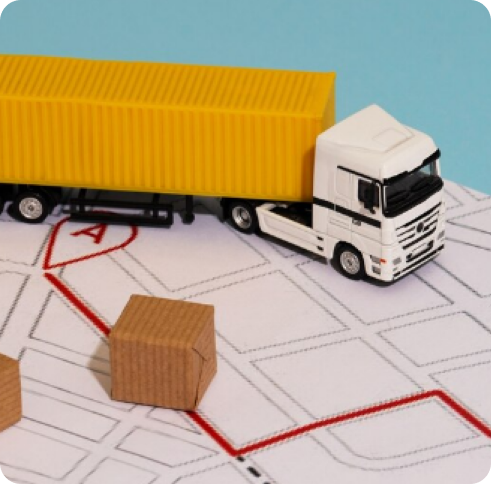
Route efficiency can have a major impact on fleet operating costs.
Poor route planning can result in unnecessary distance, higher fuel consumption, longer
travel times, and delayed deliveries.
Fleet management technology can provide businesses with information that helps them
evaluate routes and vehicle movement.
For delivery companies, route visibility can also help managers understand whether
vehicles are following planned routes and identify areas where operations can be
improved.
This does not necessarily mean that every vehicle should always take the shortest route.
The value of GPS data is that it gives managers more information to make those decisions.
Fuel is one of the largest recurring expenses for many vehicle-based businesses.
Even small inefficiencies can become expensive when multiplied across a large fleet.
Fleet management can help businesses monitor vehicle activity and identify patterns that may
contribute to unnecessary fuel consumption.
For example, excessive idling, inefficient routes, unnecessary trips, or unauthorized vehicle
use may increase fuel expenses.
When managers have better visibility, they can identify potential issues and establish more
effective operating policies.
Fuel management should therefore be considered part of a broader fleet efficiency strategy.
The objective is not simply to reduce fuel consumption but to understand how vehicles are being
used and determine where improvements can be made.
Drivers are an important part of fleet management.
A fleet can have excellent vehicles and technology, but poor driving practices can still create
significant risks and costs.
Depending on the capabilities of the tracking system, businesses may be able to monitor certain
aspects of vehicle activity.
This information can help companies identify patterns that require attention.
For example, businesses may establish policies around excessive speeding, unauthorized trips,
extended stops, or other driving behaviors.
The purpose of monitoring should be to encourage safer and more responsible driving rather than
simply to track employees.
Clear policies and communication are essential.
Employees should understand what information is being collected, why it is being collected, and
how it will be used.
When implemented responsibly, vehicle monitoring can support a stronger culture of safety and
accountability.
Maintenance is another major part of effective fleet management.
Vehicles that are not properly maintained can experience unexpected breakdowns, expensive
repairs, and operational downtime.
A fleet management strategy should therefore include preventive maintenance.
Instead of waiting for a vehicle to fail, businesses can establish maintenance schedules based
on time, mileage, vehicle usage, or manufacturer recommendations.
A digital fleet system can help organizations keep track of vehicle information and maintenance
requirements.
This makes it easier for fleet managers to know which vehicles require attention.
Regular maintenance can help extend vehicle life and reduce the risk of unexpected downtime.
For businesses that depend heavily on their vehicles, keeping units operational is critical.
Delivery and logistics companies are among the businesses that can benefit most from modern
fleet management.
These businesses need to coordinate vehicles, drivers, customers, delivery schedules, and routes
simultaneously.
Without adequate visibility, it can become difficult to determine where delays are occurring.
GPS tracking can provide information about vehicle movement and help managers monitor delivery
operations more effectively.
Customer service can also benefit.
When customers ask about delivery status, businesses can provide more accurate information when
they have visibility into vehicle locations.
This can create a better customer experience while reducing the need for repeated calls to
drivers.
Fleet management is not limited to delivery companies.
Many businesses send employees to customer locations every day.
Examples can include maintenance companies, telecommunications providers, construction
businesses, equipment service companies, utilities, and other field-service organizations.
For these businesses, vehicles are essentially mobile workplaces.
Managers need to know where employees and vehicles are operating, how efficiently schedules are
being followed, and whether field teams can respond to new service requests.
GPS tracking can provide greater operational visibility and help businesses coordinate field
activities more effectively.
Vehicle security is another important consideration.
Company vehicles represent significant financial assets, and businesses need ways to
protect them from unauthorized use or theft.
GPS tracking can provide location visibility that may assist businesses in responding to
suspicious vehicle activity.
Depending on the system's features, businesses may also be able to establish alerts
related to specific vehicle movements or conditions.
However, GPS tracking should be considered one part of a broader vehicle security
strategy.
Physical security measures, driver policies, access controls, and proper fleet
procedures remain important.

Fleet management is not limited to delivery companies.
Many businesses send employees to customer locations every day.
Examples can include maintenance companies, telecommunications providers, construction
businesses, equipment service companies, utilities, and other field-service organizations.
For these businesses, vehicles are essentially mobile workplaces.
Managers need to know where employees and vehicles are operating, how efficiently schedules are
being followed, and whether field teams can respond to new service requests.
GPS tracking can provide greater operational visibility and help businesses coordinate field
activities more effectively.
Businesses often face several recurring fleet management problems.
One is relying too heavily on manual reporting.
Another is waiting until a vehicle breaks down before performing maintenance.
Some businesses also have limited visibility into vehicle usage, making it difficult to identify
inefficient routes or unauthorized activity.
Poor communication between drivers and managers can create additional problems.
A modern fleet management system cannot eliminate every operational challenge, but it can
provide the information needed to identify and address many of them.
Fleet management will continue to evolve as businesses become more dependent on digital tools.
GPS tracking is increasingly becoming part of a broader digital ecosystem that includes mobile
applications, analytics, automation, cloud-based platforms, and connected vehicle technology.
As companies seek greater efficiency, they will increasingly use fleet data to make decisions
about routes, maintenance, vehicle utilization, and business operations.
The future of fleet management will not simply involve knowing where a vehicle is.
It will involve understanding how the entire fleet operates and using that information to
improve performance.
For Philippine businesses, this can create opportunities to reduce unnecessary expenses, improve
productivity, strengthen vehicle security, and deliver better customer service.
Fleet management is ultimately about control, visibility, and efficiency.
Businesses that depend on vehicles need reliable information to understand what is happening
across their operations.
GPS tracking can provide that visibility.
From monitoring vehicle locations and routes to supporting driver accountability, maintenance
planning, security, and operational reporting, modern fleet technology can become an important
part of business management.
WhereaboutsVehicles gives businesses a way to move beyond manual vehicle monitoring and adopt a
more connected approach to fleet management.
Instead of asking where a vehicle is or waiting for a driver to provide an update, businesses
can use technology to access relevant fleet information and make decisions based on better
visibility.
For delivery companies, logistics providers, field-service businesses, construction companies,
and other organizations operating vehicle fleets, this can make everyday operations more
manageable.
A well-managed fleet can help businesses control costs, improve productivity, protect valuable
assets, and provide better service to customers.
The goal is not simply to track vehicles.
The goal is to build a smarter, safer, and more efficient fleet operation.
With the right strategy and technology, businesses can turn fleet data into meaningful
operational improvements—and WhereaboutsVehicles can be part of that journey.
When it comes to choosing a reliable GPS tracking provider in the Philippines, one name stands out - Whereabouts Vehicles. Found out why they are the #1 choice for businesses and vehicle owners.
Learn MoreLooking for a reliable GPS tracker in the Philippines? Discover top features to look for, why GPS tracking is a must-have for vehicle safety, and how Whereaboutsvehicles delivers a smarter solution.
Learn MoreDiscover how GPS tracking technology can streamline your fleet operations, improve driver performance, and reduce overall costs with the help of Whereaboutsvehicles.
Learn More


