
Published: October 2026
For businesses that depend on vehicles every day, knowing where each unit is can make a major
difference in how efficiently operations are managed. Delivery vehicles, service units, company
cars, trucks, motorcycles, and other fleet assets are constantly moving between locations,
making visibility an important part of daily operations.
This is where a GPS fleet tracking system can help.
Modern GPS tracking goes beyond simply showing a vehicle on a map. Depending on the
system, businesses can monitor vehicle locations, review routes and trip history, manage
drivers, establish geofences, receive alerts, and access fleet information through a
centralized platform.
For Philippine businesses managing multiple vehicles, GPS fleet tracking can provide the
visibility needed to improve efficiency, accountability, security, and day-to-day
decision-making.
GPS fleet tracking uses GPS technology and connected tracking devices to provide
information about the location and movement of vehicles.
Instead of relying entirely on phone calls, text messages, or driver updates, fleet
managers can use a tracking platform to view relevant vehicle information from a
centralized dashboard.
Vehicle tracking can help answer important questions such as:
Depending on the solution, businesses may be able to monitor:

The purpose is not simply to watch vehicles. The larger objective is to give businesses better information for managing their fleet.
One of the most immediate benefits of a GPS vehicle tracking system is visibility.
When vehicles are operating throughout different cities or locations, managers may not always
know exactly where each unit is. Calling drivers individually can take time, and information can
quickly become outdated.
With real-time GPS tracking, authorized users can view vehicle locations through a centralized
platform.
This can be particularly useful for businesses managing delivery operations, field service
teams, construction vehicles, sales teams, or company vehicles.
Instead of asking, “Where is the vehicle now?” managers can access the information directly.
Routes can have a significant impact on travel time, fuel consumption, and productivity.
GPS tracking allows businesses to review where vehicles have traveled and compare actual
movement with expected routes.
For example, managers may identify:
The goal is not necessarily to force every driver to follow the exact same route. Traffic, road
conditions, customer requirements, and other factors can affect the best route.
Instead, GPS data gives managers information they can use to make better operational decisions.
Drivers are an essential part of every fleet operation.
Without visibility into vehicle activity, it can be difficult for managers to understand whether
vehicles are being used according to company policies.
GPS fleet tracking can provide information about vehicle movement and trip activity, helping
businesses establish greater accountability.
For example, companies can review whether vehicles are being used during authorized schedules,
whether assigned routes are generally being followed, and whether unusual trips or stops require
further investigation.
However, businesses should implement tracking responsibly. Employees should understand what
information is being collected, why it is collected, and how it will be used.
For delivery and field-service businesses, delays can affect both productivity and customer
satisfaction.
When a customer asks for an update, managers need reliable information.
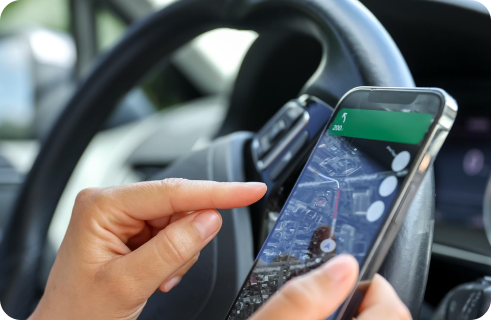
GPS tracking can help businesses determine whether a vehicle is:
This visibility can help customer service and operations teams provide more accurate updates instead of relying entirely on phone calls to drivers.
WhereAboutsVehicles is a GPS tracking and fleet management solution designed to help businesses
monitor and manage their vehicles through a centralized platform.
The system provides real-time vehicle visibility and supports features such as vehicle profiles,
driver assignment, route history, geofencing, and fleet monitoring.
Businesses can use the platform to gain greater visibility into their fleet and make more
informed decisions about vehicle operations.
Rather than relying entirely on manual updates, fleet managers can access relevant information
through a centralized system.
GPS tracking is most valuable when businesses use the information to improve how their fleet
operates.
Knowing where a vehicle is can help answer an immediate question.
Knowing where vehicles have been, how they are being used, and what patterns appear across the
fleet can help answer much bigger operational questions.
With better visibility, businesses can work toward:
Better route planning. Understand actual vehicle movement and identify opportunities for
improvement.
Greater accountability. Maintain better visibility into vehicle and driver activity.
Improved security. Receive greater visibility into vehicle movements and designated locations.
More organized maintenance. Keep vehicle information and maintenance activities easier to
manage.
Better customer service. Provide more accurate updates about deliveries and field operations.
Managing a fleet should not depend entirely on phone calls, spreadsheets, and manual reports.
As businesses grow, having reliable vehicle information becomes increasingly important. A GPS
fleet tracking system can give managers the visibility they need to monitor vehicles, understand
routes, support driver accountability, and make better operational decisions.
WhereAboutsVehicles helps businesses move toward a more connected approach to vehicle monitoring
and fleet management.
The goal is not simply to know where your vehicles are.
The goal is to use fleet visibility to operate smarter, respond faster, and manage your vehicles
more efficiently.
Discover how WhereAboutsVehicles can help your business take greater control of its fleet
operations.
When it comes to choosing a reliable GPS tracking provider in the Philippines, one name stands out - Whereabouts Vehicles. Found out why they are the #1 choice for businesses and vehicle owners.
Learn MoreLooking for a reliable GPS tracker in the Philippines? Discover top features to look for, why GPS tracking is a must-have for vehicle safety, and how Whereaboutsvehicles delivers a smarter solution.
Learn MoreDiscover how GPS tracking technology can streamline your fleet operations, improve driver performance, and reduce overall costs with the help of Whereaboutsvehicles.
Learn More


